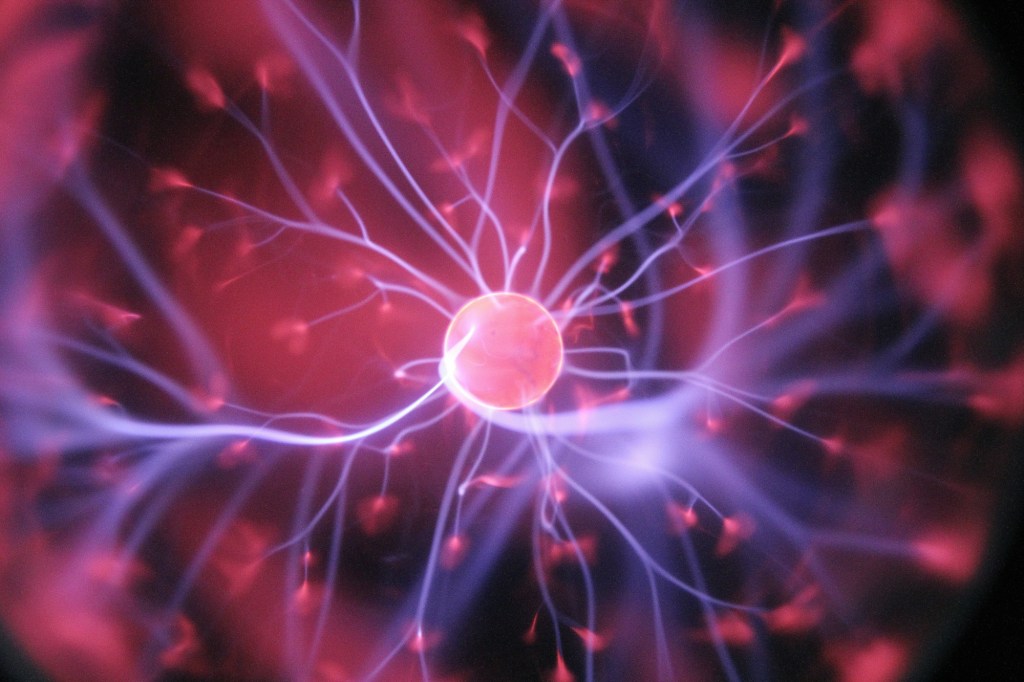
On this planet, nothing rivals the complexity of the human brain. It consists of approximately 86 billion cells called neurons—cells that rapidly shuttle information in the form of travelling electrical impulses. These neurons are densely interconnected, forming vast, forest-like networks. In fact, the number of connections between neurons in your brain reaches into the hundreds of trillions.
What truly defines the brain, however, is not just its structure, but the way these neurons interact. The traditional textbook model falls short. The brain is not static—it is a dynamic system, constantly adapting its circuitry to meet the demands of both the environment and the body. Neurons extend outward like living branches, forming a kind of community—a living, breathing network. It resembles a cryptic textile: shifting, reacting, and continuously adjusting itself.
You are not the same person you were a year ago. These ongoing changes accumulate to form what we experience as memory. Now imagine being born into a completely different era. Everything you believe you might become—your strategies, your capacity for love, your perception of the past and future—is not dictated by DNA alone. Biology is only one part of the equation. Your experiences, shaped by the world around you, are woven into the tapestry of who you are.
Identity is not created in isolation. It is deeply influenced by the environment, by culture, by interaction. Who you are is as much a product of the world as it is of yourself.
Yet, within this interplay, there is agency. Every person, if they choose, can develop a degree of control over their own being and their shared experience.
Curiously, we often become aware of our senses only when they are disrupted—when something breaks the ordinary flow of perception. It is in those moments that we truly notice the intricate system at work within us.
Until next time,
Dr. Mon x
 EDUCATOR8
Leave a comment