In my backyard stands a small, robust lemon tree. The week I moved in, the sheep got in and ate every one of its leaves. Yet my lemon tree was resilient. Like a knowing “elder”, cloaked in the fern-like wisdom of an old tree, it grew its leaves back again as if to welcome me to my new home. Soon after, blossoms sprouted and became lemons—fruit I harvest for juice, zest, and my annual batch of limoncello.
My lemon tree keeps time. It tells me the seasons. Now, in spring, the buds have returned, and as I lie beneath its branches, I notice details I had never encountered before. In the sunlight, a leaf reveals its secrets. Touch it, and it feels smooth, but hold it to the light and the serrated edge appears—tiny defenses against weather and storm. The bees are visible and audible, yet just as many aphids swim in the pollen centers of blossoms, working as diligently as their more eloquent counterparts. Ants scurry. A ladybird appears.
To stand near a blossom tree is to be delighted by springtime in its full glory. But to lie under it is altogether different. It changes my perspective and what I notice.
Beneath the tree, the world becomes a microcosm of collaboration and connection.
The Bundjalung peoples of this land also knew the power of perspective, capturing worldviews from above, as a bird would see. Both ways of seeing matter.
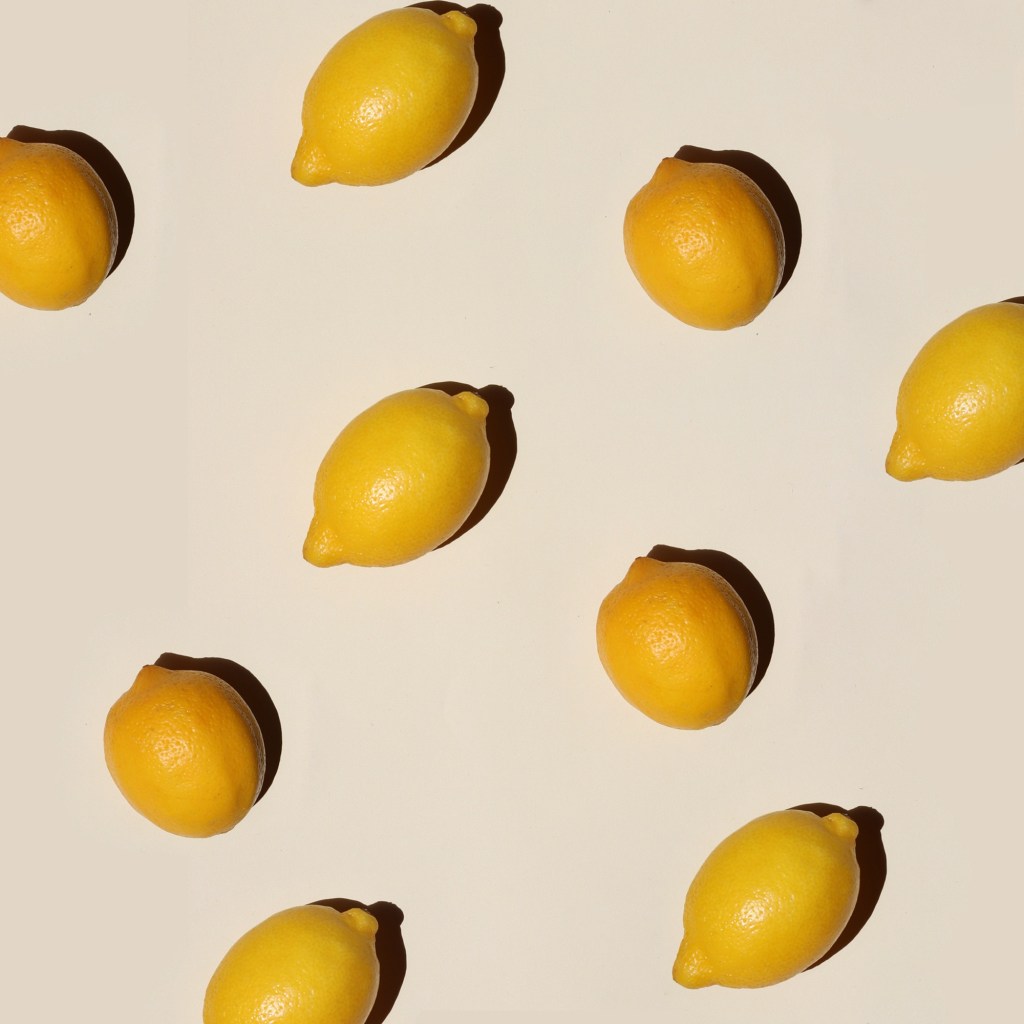
The lemons themselves are metaphoric abundance. A single citrus fruit traverses almost every cuisine—woven into the tapestry of food, preservation, and presentation. That acidic spark is essential to the satisfaction of the palate. And then there is my limoncello: playful, golden, and meant to be shared among friends.
The lemon tree teaches resilience, beauty, and generosity. And yes—when life gives you lemons, make limoncello.
Until next time,
Dr. Mon xx
 EDUCATOR8
Leave a comment