In the modern world, life itself is becoming more cinematic. Philosopher Bernard Stiegler (1998) argued that our lives are increasingly shaped by processes commonly associated with cinema—editing, revising, and the manipulation of time. Much like a film, our daily experiences are constantly being “edited” through our interactions with media and technology, with each moment altered by the acceleration and deceleration of time, much like scenes in a movie being sped up or slowed down.
This cinematic life reflects how technology, particularly digital media, influences our perception of reality. We are continuously revising our “daily rushes,” constantly reviewing and reshaping our experiences through social media, video editing apps, and other digital tools. This reworking of life affects our time consciousness—how we feel time, how it stretches or shrinks, and how we experience moments as fleeting or eternal.
Just as film relies on special effects to distort reality, our daily lives are increasingly mediated by technologies that reshape our sense of what is real. In this way, life is becoming more like cinema—constructed, revised, and shaped by the tools we use to experience and interpret the world around us. How much of our reality is now just a script we edit daily?
How do we recognise this scripted reality within our classrooms and attempt to breakdown these habitual modern ways of being? How do we slow down time enough for other realities to cut through?
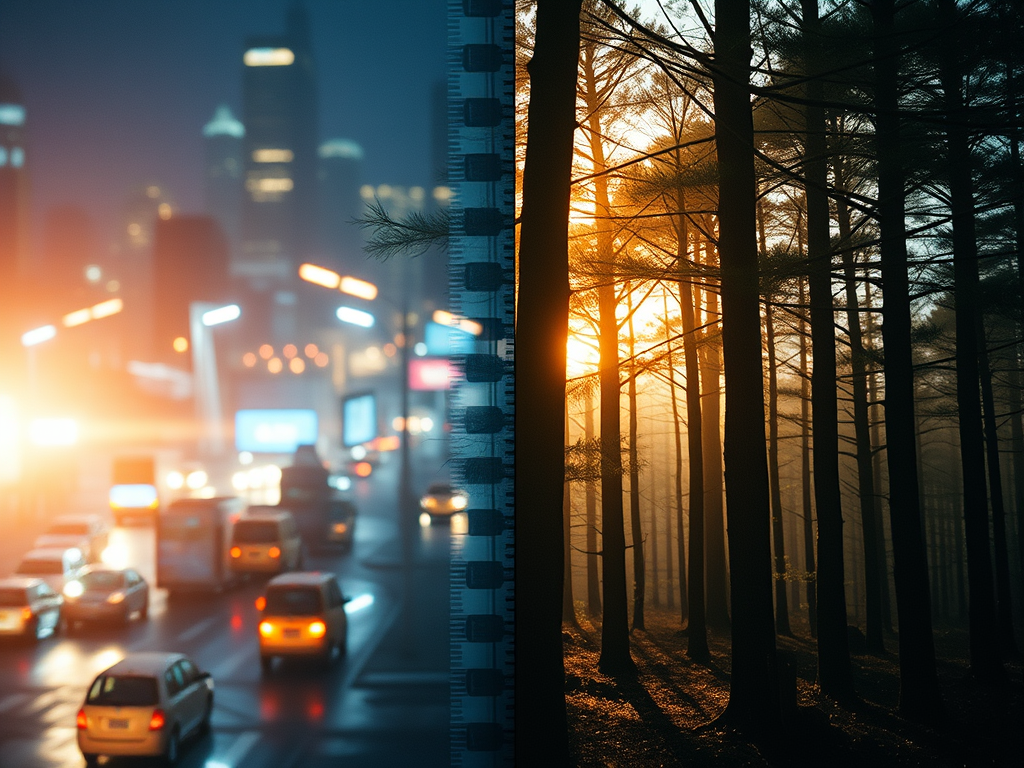
Possibly taking ourselves off screens and into nature is the answer. A place where we connect with our human rhythms and patterns rather than the scripted reality given to us by our modern world.
Re-scripting the human as central becomes necessary and essential as we juggle the on-screen and off-screen cinema of our lives.
Until next time,
Mon x
 EDUCATOR8
Leave a comment